
5 Lawn Maintenance Tips That Set Your Yard Up for the Whole Season
There’s a version of yard care that feels reactive all season long, chasing weeds, patching bare spots, wondering why the beds never quite look right. And then there’s the version where things stay ahead. The difference usually isn’t effort. It’s what gets done early and in the right order.
North Dakota doesn’t offer a long, gradual transition into the growing season. Communities across Minot,Williston,Watford City, and the surrounding areas move fast from snowmelt to full summer, and properties that get the right attention early consistently outperform those that don’t. These five lawn maintenance tips are what we come back to every year because they work.
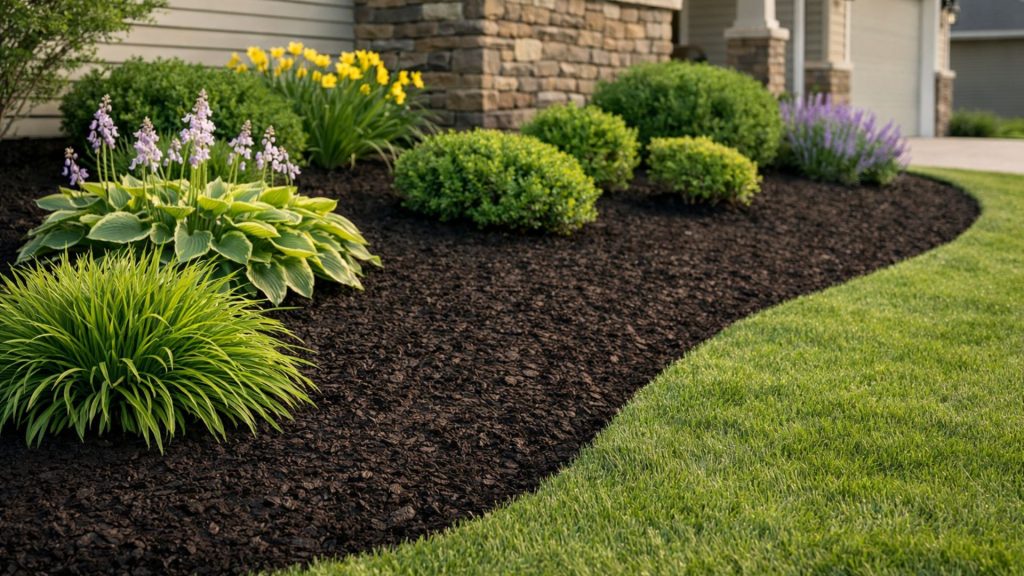
Tip 1: Clear the Slate Before You Do Anything Else
A proper seasonal cleanup is the foundation everything else builds on. It’s not just raking leaves and calling it done. It’s about removing every condition that will cause problems later: matted turf that restricts airflow, debris packed into landscape beds, dead plant material that harbors disease, and winter dieback on shrubs and perennials.
When cleanup gets rushed or skipped, those problems don’t disappear. They get buried under new growth and show up mid-season as disease pressure, weed outbreaks, and poor plant performance. Starting clean means every service that follows works more effectively from day one.
A complete early-season cleanup through our landscape maintenance services typically includes:
- Leaf and debris removal from lawn areas and landscape beds
- Dethatching and raking matted turf to restore airflow
- Cutting back ornamental grasses and perennials left standing over winter
- Plant trimming and pruning to remove dieback and shape shrubs
- Bed edging to redefine clean lines between turf and planting areas
- Full debris haul-away so nothing is left to decompose in beds or against structures
Get this step right, and everything that follows is easier and more effective.
Tip 2: Time Your Weed Control, Don’t React to Weeds
By the time weeds are visible in your landscape beds, they’ve already been growing underground for weeks. Reactive weed pulling has its place, but it’s never a long-term strategy. The goal is to interrupt the cycle before it starts, and that means pre-emergent weed control applied at the right moment.
Pre-emergent applications create a barrier at the soil surface that prevents weed seeds from germinating. Timing is everything, and getting it right comes down to a few key points:
- Apply too early and the product breaks down before it’s needed
- Apply too late and the germination window has already passed
- In North Dakota, success means monitoring soil temperatures closely as they begin to rise in early spring
- Once weeds appear, switch to post-emergent treatment for anything that slips through
Our lawn and plant care programs are built around this kind of timing precision, so applications go down at the right moment rather than on a generic calendar schedule. Homeowners who stay ahead of weed control rather than reacting to it spend far less time managing beds all summer long.
Tip 3: Mulch After You’ve Addressed the Beds, Not Before
Fresh mulch makes landscape beds look clean and finished, and that visual payoff is real. But mulch does a lot more than improve appearances, and it works best when applied at the right point in the process.
A properly timed mulch application:
- Retains soil moisture, reducing supplemental watering needs during dry stretches
- Regulates soil temperature, protecting shallow root systems from late cold snaps and summer heat spikes
- Suppresses weed germination by blocking light at the soil surface, adding a layer of protection on top of pre-emergent applications
- Improves soil health over time as organic material breaks down and adds nutrients back into the bed
The critical detail is sequencing. Mulch should go down after cleanup and weed control, not before. Mulching over unaddressed debris, weeds, or diseased plant material traps those problems under a fresh surface instead of eliminating them. Getting this order right makes the mulch investment go further.
Tip 4: Consider Rock Installations for Lower-Maintenance Beds
Not every landscape needs annual mulch refreshes. Decorative rock installations are worth considering for beds where long-term, lower-maintenance coverage is a better fit. Here’s how the two options compare:
| Organic Mulch | Decorative Rock | |
| Lifespan | Refreshed annually | Long-lasting, minimal upkeep |
| Soil health | Adds nutrients over time | No soil enrichment |
| Best for | Planted beds, organic plantings | Low-traffic, lower-maintenance areas |
| Weed suppression | Good with pre-emergent | Good with proper installation |
| Moisture retention | Yes | Yes |
The right material depends on the specific bed, the existing plant selection, and how much ongoing maintenance the homeowner wants to take on. Our landscaping team will walk through the tradeoffs with you rather than defaulting to one option.

Tip 5: Book Your Services Early, the Season Won’t Wait
This tip isn’t about a specific task. It’s about the reality of the growing season in North Dakota, and it’s worth being straightforward about.
The practical window for early-season lawn maintenance here is short:
- Late snowfall and a compressed green-up period leave limited time to act
- Miss the pre-emergent window and you’re reacting to weeds all summer
- Service schedules fill well before the ground is workable each year
- Homeowners who plan ahead consistently get better results and better availability
If your property is in the Minot area, Williston, Rugby, Bottineau, or anywhere in between, now is the time to reach out. The season doesn’t offer much margin once it gets moving. You can review our full service areas to confirm coverage near you.
Putting It All Together
Each of these five tips comes back to the same idea: sequencing. Cleanup before mulch. Pre-emergent before weeds appear. Scheduling before the calendar fills. Lawn maintenance that actually delivers results isn’t complicated. It’s intentional, and it rewards the homeowners who plan ahead rather than react.
At Outdoor FX, every cleanup, weed control application, and mulch installation follows a consistent process so nothing gets skipped and each step supports the next. Learn more about our team and how we work to understand what sets our approach apart.
If you want a property that looks well-maintained from the first warm week through the end of the season, that’s exactly what we help you build. See our lawn and landscape maintenance services here, or call us at (701) 847-4395. You can also visit outdoorfxnd.com to learn more about what we offer across the region.
Frequently Asked Questions
What does a professional spring lawn cleanup include?
A professional spring cleanup usually includes removing leaves and debris, dethatching matted turf, cutting back ornamental grasses and perennials, trimming and pruning plants, edging landscape beds, and hauling away all collected debris. These steps help eliminate conditions that contribute to disease, weed growth, and weak turf later in the season.
When should I apply pre emergent weed control in North Dakota?
Pre emergent weed control should be applied in early spring as soil temperatures begin to rise, before weed seeds start to germinate. If applied too early or too late, the treatment becomes less effective. Professional lawn care programs often monitor soil temperatures closely to apply treatments at the proper time for North Dakota conditions.
Should I use mulch or rock in my landscape beds?
Both mulch and decorative rock provide moisture retention, temperature regulation, and weed suppression. Organic mulch works well in planted beds because it breaks down over time and improves soil health. Decorative rock is often used in areas where long term coverage and lower maintenance are priorities. The right option depends on the plants in the bed and your maintenance preferences.
How early should I schedule lawn maintenance services in North Dakota?
Schedule services as early as possible. North Dakota’s growing season is short, and service calendars often fill before the ground is even workable. Early booking helps ensure timely pre emergent applications and prevents cleanup or mulch installation from being delayed into a more compressed part of the season.
Does the order of lawn maintenance tasks matter?
Yes, the order of services is important. Cleanup should be completed before mulch is installed, and pre emergent weed control should be applied before weeds begin to appear. Performing tasks in the correct sequence improves the effectiveness of each service and reduces the need for reactive treatments later in the season.