The Spring Lawn Care Checklist North Dakota Homeowners Need
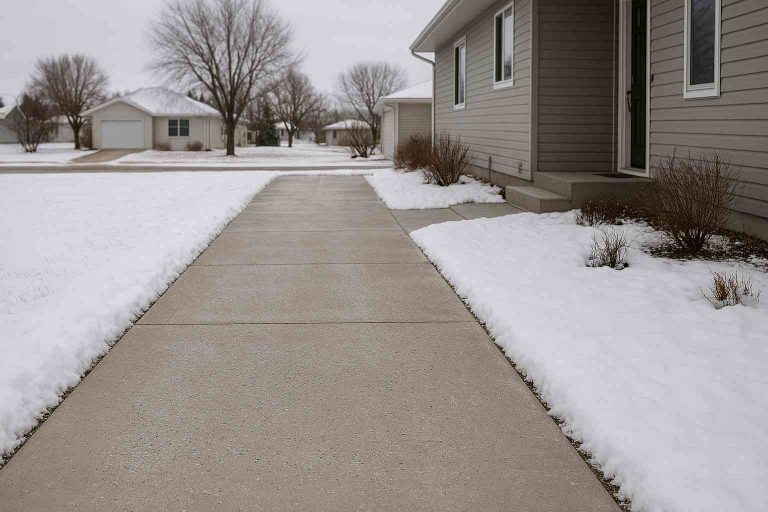
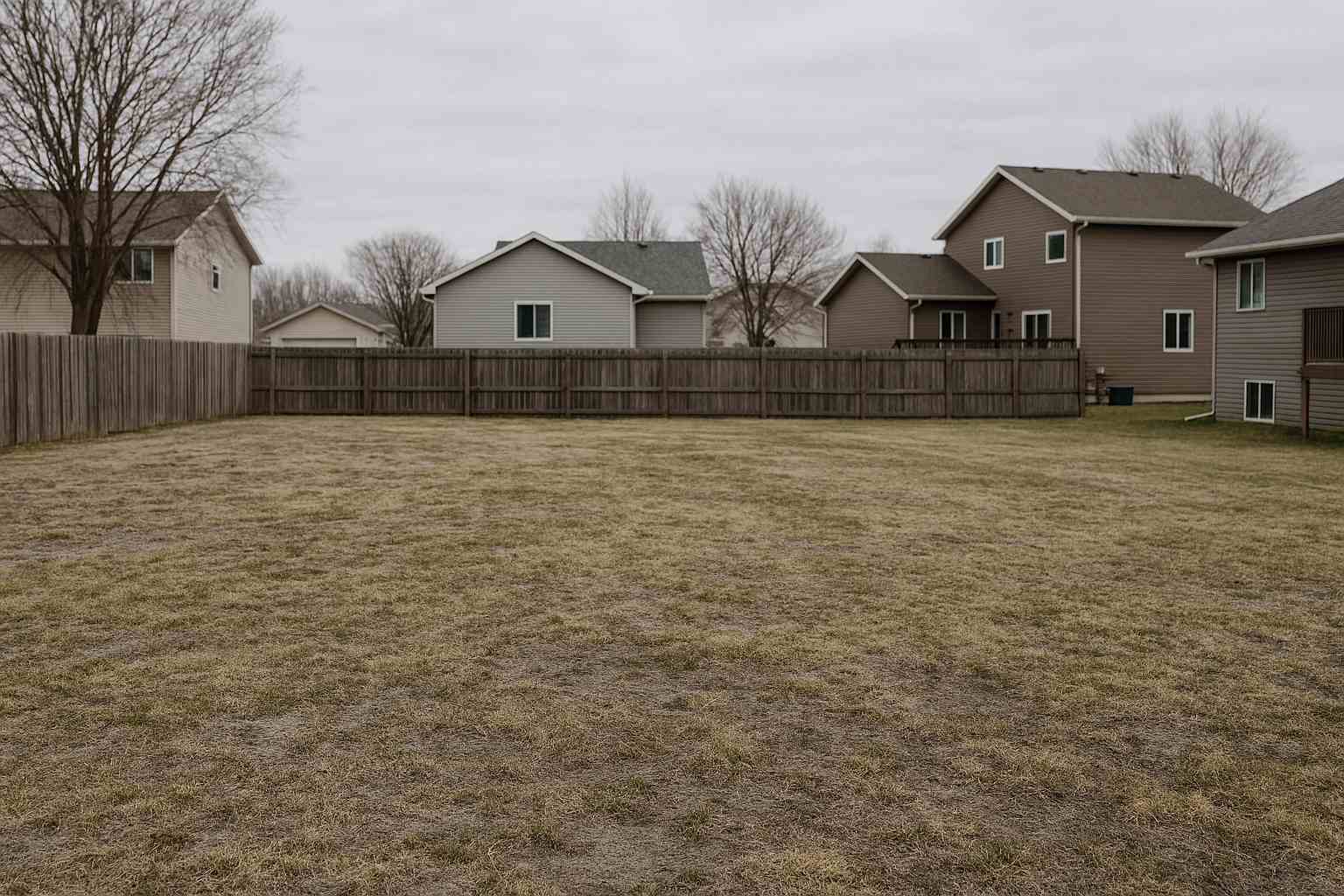
That first walk across your lawn after snowmelt has a way of making your stomach drop. What you expected to be a green, recovering yard can look more like a patchwork of thin, matted, gray turf. It’s a familiar sight across Minot, Williston, Watford City, and the surrounding region, and while the damage is real, it’s also fixable.
The key is knowing what to do, and more importantly, when to do it. North Dakota’s growing season is short and unforgiving. Getting your spring lawn care timing right makes the difference between a yard that bounces back strong and one that limps through summer.
What a North Dakota Winter Actually Does to Your Lawn
Most homeowners focus on what they can see after winter: matted grass, bare spots, and the occasional gray webbing that signals snow mold. But a lot of the real damage happens below the surface.
Snow is heavy. A full winter’s worth of snow load compresses the soil underneath it, and repeated freeze-thaw cycles make that compaction worse. When water freezes and expands in the soil, it disrupts root systems and tightens soil particles together. That limits the space roots need for oxygen, water, and nutrients to move freely.
Compacted soil is quiet but costly. It reduces water infiltration, blocks nutrient uptake, and puts your grass at a disadvantage before the growing season even begins. Even if your lawn looks fine on the surface, compacted soil can hold it back all season long.
Snow mold is the other issue worth addressing early. Gray snow mold and pink snow mold both show up across our region, thriving in the wet, matted conditions left behind as snow clears. Before jumping into aeration or seeding, rake out those matted patches gently and let the soil surface dry out. In heavier cases, professional lawn disease treatment may be needed before moving forward with the rest of your spring plan.
When to Aerate Lawn in Spring After Winter Damage
Spring lawn aeration timing is one of the most common areas where homeowners get tripped up, usually by moving too fast.
Aerating while the ground is still partially frozen or overly saturated causes more harm than good. The machine tears at grass crowns instead of pulling clean cores, and the disruption stresses turf that’s already weakened. The cores won’t break down properly, and you lose most of the benefit.
Here’s what to look for before aerating:
- Soil temperature should be consistently above 50 degrees F at a 2-inch depth. This tells you that cool-season grasses like Kentucky bluegrass and fine fescue are actively growing and ready to recover from the disruption.
- Soil moisture should be moderate. The ground needs to be thawed through and workable, not muddy or waterlogged. Push a screwdriver into the soil with light pressure. If it slides in easily, conditions are right.
- Active grass growth is your most reliable visual cue. Wait until you’ve mowed at least once or twice before running an aerator over the lawn.
In most years across north-central and western North Dakota, that window falls somewhere between late April and mid-May. It can shift depending on how quickly the ground thaws each year. The goal is to move promptly once conditions are ready, without rushing the process and risking more damage.
How to Fix Compacted Soil the Right Way
Core aeration is the most effective way to relieve compaction after a hard winter. A core aerator pulls small plugs of soil from the ground, opening up channels for air, water, and nutrients to reach the root zone. Those plugs break down on their own over a few weeks, returning organic matter to the surface.
To get the most out of aeration:
- Mow slightly shorter than normal the day before, around 2 to 2.5 inches. This helps the tines penetrate cleanly.
- Mark your irrigation heads before the machine runs. A broken head is easy to avoid and saves you a headache right when spring irrigation startups are getting scheduled.
- Follow through with the right next steps. Aeration alone is valuable, but pairing it with the right treatments makes a much bigger impact.
What to Do Right After Aerating
Overseed Thin and Bare Areas
If winter left you with patchy or thin turf, aeration creates the ideal seedbed for overseeding. The open channels left behind give new seed direct soil contact, which is one of the biggest factors in germination success. Overseeding after aeration is one of the most practical ways to thicken up a lawn that struggled through winter without starting from scratch.
Fertilize After, Not Before
Aerate first, then fertilize. The open channels allow fertilizer to move directly into the root zone rather than sitting on a compacted surface. Applying lawn fertilization shortly after aeration improves nutrient uptake and gives your turf the fuel it needs to push new growth during that narrow spring window.
Address Lawn Disease Early
If snow mold showed up in your yard, get an assessment before you seed or fertilize. Fungal issues can linger and resurface, especially in wetter springs. Treating disease after you’ve already applied seed or fertilizer means those treatments are working against an active problem. Handling it early protects everything that comes after.
Your Spring Lawn Care Timeline at a Glance
| Task | Timing |
| Snow mold assessment and raking | As soon as snow clears |
| Allow soil to fully thaw and dry | 1 to 2 weeks post-snowmelt |
| Core aeration | Late April to mid-May |
| Overseeding bare or thin areas | Same day or within 24 hours of aeration |
| Lawn fertilization | Within 1 to 2 days after aeration |
| Irrigation startup | Before consistent warm temps arrive |
Why Planning Now Matters
Here’s something most homeowners don’t think about until it’s too late: the spring service window in our region is short, and it fills up fast. By the time the ground thaws and conditions are right for aeration, lawn care and maintenance schedules across the area are already packed.
The smartest move you can make right now, even while snow is still on the ground, is to plan ahead. Walk your yard, take note of where damage is concentrated, and think through what your lawn needs most this spring. Getting on a schedule early means you’re not scrambling to book services after the window has already started closing.
The team at Outdoor FX builds spring lawn plans around what your soil and turf actually need. No guesswork, no one-size-fits-all approach. You can learn more about our spring lawn services here or call us at (701) 847-4395 to talk through what your lawn needs this season.
Spring aeration timing is straightforward once you know what you’re waiting for. Let the ground fully thaw, watch for active growth, and then give your lawn the relief it needs to make the most of every week of the growing season ahead.
Frequently Asked Questions
When should you aerate your lawn in spring in North Dakota?
The ideal window for spring aeration in North Dakota is late April through mid May. Soil temperatures should be consistently above 50 degrees, and the ground should be fully thawed but not saturated. Aerating too early while soil is still overly wet can damage turf and limit effectiveness. Learn more about our lawn and plant care services.
Does snow cause soil compaction in your lawn?
Yes. Heavy snow cover compresses soil during winter, and repeated freeze and thaw cycles tighten soil particles even more. This reduces the movement of oxygen, water, and nutrients to the root system. Core aeration after winter helps relieve compaction and supports healthier grass growth.
Should you overseed after aerating in spring?
Yes, overseeding immediately after aeration is recommended, especially in areas thinned by winter stress. The holes created during aeration improve seed to soil contact, which increases germination success. For best results, apply seed the same day or within 24 hours of aerating.
Is it better to fertilize before or after aeration?
Aerate first, then fertilize. The openings in the soil allow nutrients to reach the root zone more effectively instead of remaining on the surface. Applying fertilizer within one to two days after aeration helps support stronger spring recovery.
How do you treat snow mold before starting spring lawn care?
Once snow has melted, gently rake matted areas to improve airflow and help the soil dry. This disrupts the damp conditions that allow snow mold to spread. In more severe cases, a targeted lawn disease treatment may be needed before proceeding with aeration, overseeding, or fertilization. Visit our lawn and plant care page to explore treatment options.