
Irrigation Installation in Watford City, ND: How the Process Works and Why Timing Matters
A lot of homeowners in Minot, ND, where short growing seasons and heavy clay soils make consistent watering a real challenge, first start thinking about irrigation when they’re already dealing with something else, usually a landscaping project that’s growing in scope. You plan a new bed layout or a sod installation, and somewhere in that conversation, the question comes up: how are you going to water all of this? That same pattern plays out regularly for homeowners in Watford City. The yard gets redesigned, new plantings go in, and suddenly hand-watering feels completely unworkable. That’s often the moment people start seriously researching irrigation installation Watford City ND, not as a standalone upgrade, but as the piece that makes the rest of the landscape function the way it’s supposed to.
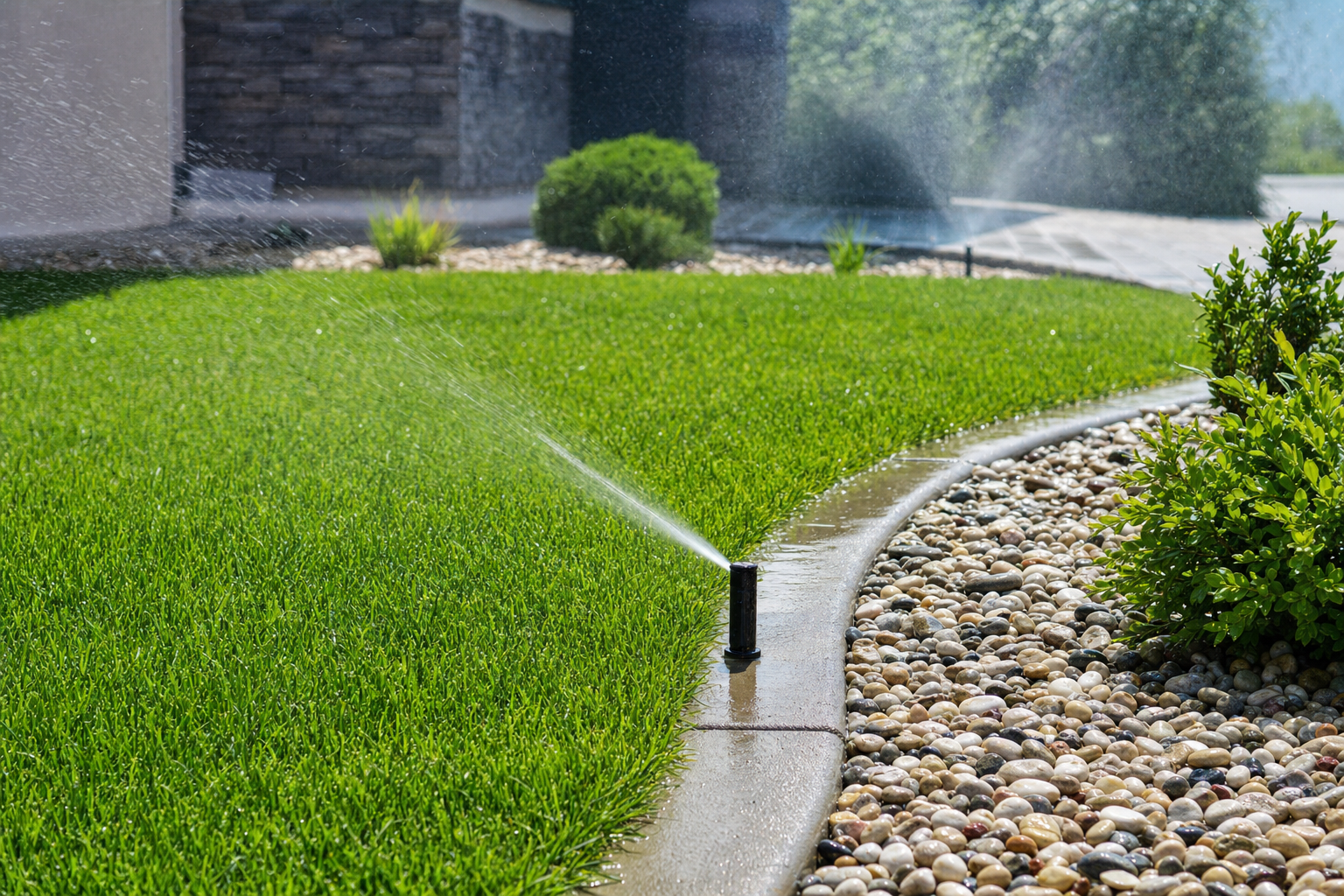
What Irrigation Installation Actually Involves
There’s a common assumption that irrigation installation is mostly just digging trenches and dropping in sprinkler heads. The physical work is real, but the design work that happens before any equipment touches the ground is what determines whether the system actually performs. We start every project with a site assessment that looks at water pressure at the source, the layout of zones based on plant type and sun exposure, soil drainage characteristics, and any existing hardscape that affects where lines can run.
For a typical residential property, we’re designing a system with multiple zones, each controlled independently so turf areas, garden beds, and any drip irrigation zones receive the right amount of water on the right schedule. The controller is programmed to account for the local climate, and for properties in western North Dakota, that means building in flexibility for the wide temperature swings that happen between late spring and early fall. Our irrigation services cover the full scope from that initial design through installation and seasonal startup and shutdown.
The equipment we use matters more than most homeowners realize. Head selection, pipe sizing, and valve quality all affect long-term reliability, and in a climate like Watford City’s, reliability under stress is the baseline requirement, not a bonus feature.
Why Local Conditions Shape Every Irrigation Installation Watford City ND Project
Watford City sits in McKenzie County, and the soil profile there is a mix that can shift significantly even within a single property. You’ll find areas with heavier clay content that holds moisture and drains slowly, and other spots where the ground is sandier and water moves through quickly. A system designed without accounting for that variation will either overwater some zones or underwater others, and neither outcome is good for plant health or your water bill.
The freeze-thaw cycle in this part of North Dakota also dictates a lot of the installation decisions. We run mainlines at depths that protect them through a real winter, not just a mild one. Backflow preventers, valve boxes, and any above-grade components are selected and positioned with winterization in mind from day one. If you’ve read our earlier piece on why Minot homeowners are searching for irrigation help this spring, a lot of those same principles apply here, though the specific soil and drainage conditions in Watford City add their own layer of complexity.
Water pressure in Watford City also varies depending on where your property sits relative to the municipal supply. We test pressure before finalizing any zone design because a system engineered for 60 PSI will underperform at 45 PSI and potentially damage heads at 80 PSI. That testing step is non-negotiable.
What to Expect During the Installation Process
Once design is finalized and materials are staged, a standard residential irrigation installation Watford City ND project runs one to two days for most properties under half an acre. Larger lots or properties with significant grade changes take longer. We use a vibratory plow for most lateral lines, which minimizes surface disruption compared to open trenching. In areas where hardscape is present or root systems need to be avoided, we hand-dig or use directional boring depending on the situation.
After lines are laid and heads are set, we pressure-test the system before backfilling anything. That step catches any fittings that didn’t seat properly or any line damage from the installation process. We’d rather find a problem before the ground is closed than after. Once the system passes pressure testing, we do a full zone-by-zone run with the homeowner present so they can see coverage patterns, understand the controller interface, and flag anything they want adjusted before we leave the site.
The controller programming we set at installation is a starting point, not a permanent configuration. We walk homeowners through how to adjust run times as the season progresses, because what the lawn needs in late June is different from what it needs in August. Good lawn and plant care depends on watering that adapts to actual conditions, not a schedule set once and forgotten.
How to Know Your Property Is Ready for a System
The clearest sign is that your current watering approach, dragging hoses or relying on rainfall, isn’t keeping up with what your landscape actually needs. Turf that goes dormant early in July, beds that dry out between waterings, and new sod that struggles to establish are all symptoms of inadequate moisture delivery. If your property has recently had new landscaping installed or you’re planning a project that includes sod, plantings, or significant bed work, incorporating irrigation at the same time is almost always more cost-effective than coming back to do it later.
Properties with any meaningful grade change also benefit significantly from irrigation installation Watford City ND because slope affects where water goes after it hits the ground. Paired with proper landscape maintenance, a well-designed irrigation system reduces the manual labor of keeping a yard healthy through a North Dakota summer significantly.
For broader homeowner context, EPA WaterSense outdoor water use guidance and University extension lawn irrigation basics offer useful background on planning, safety, and maintenance decisions related to this kind of work.
June is the practical window for getting a system in the ground before the hottest stretch of summer arrives. Once July heat peaks in western North Dakota, the stress on newly established plants and turf compounds quickly without consistent moisture. If your project is still in the planning stage, reaching out through our contact page puts you in the queue before the schedule fills for the season.